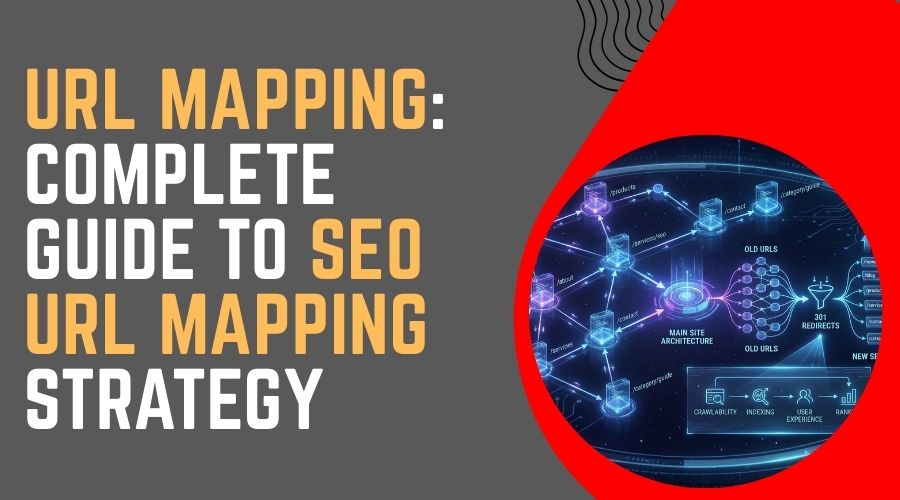
When it comes to building a strong SEO foundation, URL mapping plays a critical role in how search engines understand your website. It is the process of assigning the right keywords to the right pages, ensuring every URL targets a specific search intent. Proper keyword mapping, SEO URL mapping, and page-level keyword mapping help avoid keyword cannibalization and improve your website’s visibility in search results. A well-planned URL mapping strategy also strengthens your SEO site structure and enhances user experience.
Whether you run a business website or manage large-scale projects, mastering URL mapping in SEO is essential. By implementing effective website URL mapping, content to URL mapping, and internal linking mapping, you can create a clean SEO URL structure that supports better crawlability and rankings. In today’s competitive digital space, understanding URL optimization for SEO is no longer optional—it’s a necessity for sustainable organic growth.
What Is URL Mapping?
URL mapping is the process of assigning target keywords to specific pages on your website. In simple terms, it helps you decide:
Which keyword should rank on which URL?
This process is also known as:
- Keyword mapping
- SEO URL mapping
- SEO keyword mapping
- Page-level keyword mapping
Without proper website URL mapping, multiple pages may compete for the same keyword, leading to keyword cannibalization and poor rankings. This is a core concept about Search Engine Optimization(SEO).
Why URL Mapping Is Important in SEO
URL mapping in SEO improves:
- SEO site structure
- Crawlability
- Keyword targeting
- User experience
- Internal linking strategy
Benefits
✔ Clear website structure for SEO
✔ Better search rankings
✔ No duplicate keyword targeting
✔ Improved URL optimization for SEO
✔ Strong content to URL mapping
These fundamentals are covered deeply in digital marketing training in Chandigarh, helping students build technically strong websites.
How Keyword Mapping Works
A proper keyword mapping strategy involves:
- Keyword research
- Grouping keywords by search intent
- Assigning keywords to relevant URLs
- Optimizing content accordingly
This process is also called:
- SEO content mapping
- Page level keyword mapping
- Keyword to URL mapping
Students pursuing the best digital marketing training in Chandigarh practice this process using real projects.
Types of URL Mapping
- Website URL Mapping
Assigning keywords to existing URLs
➡ This helps optimize already published pages so they rank better for targeted search queries.
- SEO URL Mapping
Planning URLs before creating pages
➡ This ensures your website follows a clean SEO URL structure from the start, avoiding future optimization issues.
- Content to URL Mapping
Matching blog topics with URLs
➡ This allows you to align content strategy with search intent and prevent keyword duplication.
- Internal Linking Mapping
Planning internal links for authority flow
➡ This improves crawlability and helps distribute page authority across your website effectively.
Step-by-Step URL Mapping Strategy
Step 1: Create Website Structure
Define your:
- Categories
- Services
- Blogs
- Landing pages
This forms your SEO site structure.
Step 2: Keyword Research
Use:
- Google Keyword Planner
- Ahrefs
- SEMrush
Collect:
- Primary keywords
- Long-tail keywords
Step 3: Assign Keywords to URLs
This is core keyword mapping.
|
URL |
Primary Keyword |
Secondary Keywords |
|
/seo-training-chandigarh |
seo training in chandigarh |
best seo training in chandigarh |
|
/digital-marketing-course-chandigarh |
digital marketing course in Chandigarh |
best digital marketing course in Chandigarh |
Step 4: Optimize URLs
Use:
- Clean slugs
- Short URLs
- Main keyword
This ensures:
- SEO URL structure
- Better URL optimization for SEO
Step 5: Content Mapping
Ensure:
- One topic = one URL
- Avoid duplicates
- Apply SEO content mapping
Step 6: Internal Linking Mapping
Create:
- Topic clusters
- Contextual links
- Breadcrumbs
This improves:
- Crawlability
- Authority flow
Common URL Mapping Mistakes & Best Practices for SEO URL Mapping
❌ One keyword for multiple URLs
❌ No internal linking mapping
❌ Poor site structure
❌ Keyword stuffing
❌ Duplicate content
What instead should be done
✔ One keyword → one page
✔ Use hierarchy
✔ Optimize slugs
✔ Follow website structure for SEO
✔ Perform regular audits
✔ Update mapping quarterly
These best practices are followed in real projects during digital marketing course in Chandigarh.
How URL Mapping Improves Website Structure for SEO
Good URL mapping strategy helps:
- Google crawl efficiently
- Users navigate easily
- Pages rank faster
This strengthens:
- SEO site structure
- Topical authority
Why Learn URL Mapping Professionally?
URL mapping is not guesswork. It requires:
- Keyword intent analysis
- Technical SEO understanding
- Content planning skills
This is why many learners join professional SEO training in Chandigarh to gain hands-on experience.
How ThinkNEXT Technologies Helps You Master URL Mapping
At ThinkNEXT Technologies, students learn URL mapping through real, hands-on SEO projects. They practice keyword mapping on live websites, perform audits, and structure content based on search intent. This practical exposure helps learners understand how proper URL planning and internal linking improve rankings and crawlability.
Along with URL mapping, students build strong fundamentals in technical SEO, content optimization, and conversion tracking. The training approach ensures learners don’t just understand the concepts but know how to apply them effectively in real-world SEO scenarios.
Why URL Mapping Matters for Digital Marketers
For professionals:
- Higher rankings
- Better conversions
- Strong website architecture
That’s why digital marketing course Chandigarh programs focus heavily on:
- Website URL mapping
- SEO strategy
- Content planning
Future Scope of URL Mapping
With AI search:
- Structured URLs matter more
- Clean architecture ranks better
- Internal linking becomes critical
So mastering SEO URL structure is future-proof.
Conclusion
URL mapping is essential for building a strong SEO foundation. It helps you assign the right keywords to the right pages, avoid keyword cannibalization, and improve your website structure for SEO—leading to better crawlability and rankings.
To use URL mapping effectively, practical experience matters. Learning through hands-on SEO training helps you apply these strategies correctly and deliver real results for businesses.
FAQs – URL Mapping in SEO
Q1. What is URL mapping in SEO?
Ans. URL mapping in SEO is the process of assigning specific target keywords to individual web pages. This helps avoid keyword cannibalization and ensures each page focuses on a clear search intent.
Q2. Why is keyword mapping important?
Ans. Keyword mapping improves rankings by aligning the right keywords with the right pages. It also strengthens your SEO site structure and enhances user experience.
Q3. What is page-level keyword mapping?
Ans. Page-level keyword mapping means assigning primary and secondary keywords to each individual page to maximise relevance and visibility in search results.
Q4. How often should URL mapping be updated?
Ans. You should review and update your URL mapping strategy every 3–6 months, especially when adding new content or targeting new keywords.
Q5. Can URL mapping improve search rankings?
Ans. Yes. Proper SEO URL mapping improves site structure, crawlability, and relevance, which can positively impact rankings over time.
Q6. Is URL mapping part of technical SEO?
Ans. Yes. URL mapping in SEO plays a key role in technical SEO as it affects site architecture, internal linking, and how search engines crawl your website.
Q7. Do beginners need URL mapping?
Ans. Absolutely. Beginners should learn keyword to URL mapping early, especially when managing large or growing websites.
Q8. What tools are used for URL mapping?
Ans. Popular tools include Excel, Google Sheets, Ahrefs, SEMrush, and Screaming Frog for auditing and planning URL structures.
Q9. Is URL mapping taught in SEO training programs?
Ans. Yes. Professional SEO training institutes in Chandigarh, like ThinkNEXT, teach URL mapping through real-world projects and hands-on practice.
Q10. Where can I learn URL mapping practically?
Ans. You can learn URL mapping at ThinkNEXT Technologies, a trusted digital marketing institute in Chandigarh that focuses on practical, industry-based training.