If you run a local business and want customers nearby to find you, Local SEO is essential. Understanding what is local SEO and how it works can directly impact your leads, store visits, and overall visibility.
Today, when people search for services “near me,” Google shows location-based results powered by its local search algorithm. Businesses that optimize for local search appear in Google Maps and local packs — while others miss valuable traffic. In this guide, you’ll learn local SEO explained for beginners, how it works, and how to master it step by step.
What Is Local SEO?
Local SEO is a strategy that helps businesses rank in location-based searches. It focuses on optimizing your business for:
- Google Maps
- Local search results
- Location-specific keywords
If you’re wondering what local SEO is, it is simply the process of making your business visible to customers searching in your area.
How Local SEO Works
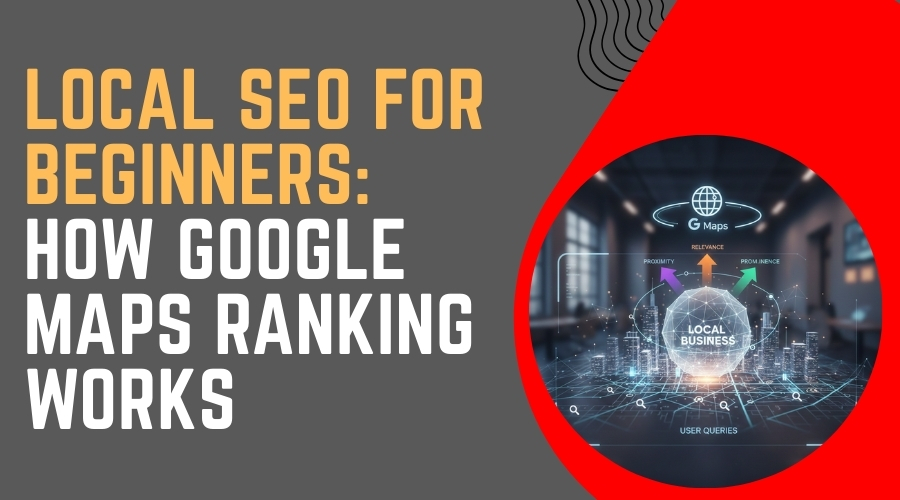
To understand how local SEO works, you need to know Google’s three main local ranking factors:
- Relevance – How well your business matches the search
- Distance – How close your business is to the user
- Prominence – How trusted and authoritative your business appears
This is part of the local search algorithm explained in most professional SEO programs.
Difference Between SEO and Local SEO
Many beginners ask about the difference between SEO and local SEO.
|
SEO |
Local SEO |
|
Focuses on global rankings |
Focuses on location-based rankings |
|
Website authority is key |
Google Business Profile is critical |
|
Backlinks matter most |
Citations & NAP consistency matter more |
Local SEO is more location-driven and business-profile focused.
What Is Google My Business in Local SEO?
If you're asking what Google My Business is in local SEO, it refers to your business listing (now called Google Business Profile) that appears in Google Maps and local search results. It is the foundation of any Local SEO strategy.
At ThinkNEXT Training, this is one of the first practical modules covered in the Best SEO course in Chandigarh. Students learn how to optimize business categories, write keyword-rich descriptions, manage reviews, upload service details, and track insights — all on live listings.
Understanding Google Business Profile optimization is essential before moving to advanced Local SEO strategies.
How Google Maps Ranking Works
Understanding how Google Maps ranking works helps businesses improve local visibility. Google primarily evaluates:
- Relevance
- Distance
- Prominence
To improve prominence, businesses must optimize reviews, citations, and local authority signals.
In the Local SEO certification course, students at ThinkNEXT Training practice ranking real businesses on Google Maps using ethical optimization techniques. This hands-on approach helps learners understand how ranking fluctuations happen and how to fix them.
How to Rank Business on Google Maps (Step-by-Step Framework)
Many business owners ask, how to rank business on Google Maps?
Here’s a simplified structure:
- Optimize Google Business Profile
- Maintain NAP consistency
- Build high-quality local citations
- Collect authentic reviews
- Optimise website for local keywords
- Implement schema markup for local SEO
This structured execution is taught practically in the digital marketing course with local SEO in Chandigarh, where learners optimize real business profiles and track improvements.
What Is NAP in Local SEO?
NAP in Local SEO stands for:
- Name
- Address
- Phone Number
Even minor inconsistencies in NAP details across directories can impact rankings.
During the online local SEO course with certificate, students learn how to audit and correct NAP inconsistencies using professional tools.
What Are Local Citations?
If you’re wondering what local citations are, they are online mentions of your business information across directories, review platforms, and listing websites.
Building citations properly increases trust signals in Google’s local search algorithm.
In the local SEO internship program in Chandigarh, students practise how to build local citations for different industries and understand the difference between structured and unstructured citations.
How to Increase Local Traffic Strategically
Understanding Local SEO is not just about rankings — it’s about increasing real customers.
To increase local traffic, businesses should:
- Publish location-focused content
- Optimize service pages with local intent
- Encourage customer reviews
- Use Google Posts consistently
- Build locally relevant backlinks
These practical growth strategies are covered in the Best digital marketing course with AI in Chandigarh, where students learn how AI tools can support local keyword research and optimization.
Local SEO Audit Process
A strong local SEO audit process includes:
- Google Business Profile analysis
- Citation consistency check
- Review quality assessment
- Competitor analysis
- Website local optimisation review
- Schema markup for local SEO implementation
Students enrolled in the local SEO coaching institute program at ThinkNEXT Training learn how to perform full-scale audits for businesses across industries.
Schema Markup for Local SEO
Implementing schema markup for local SEO helps search engines understand your business type, location, ratings, and services.
This technical optimization is part of structured learning in the Best digital marketing course in Chandigarh, where SEO is taught alongside analytics and structured data implementation.
Local SEO Tools Tutorial
A proper local SEO tools tutorial includes working with:
- Google Business Profile Manager
- BrightLocal
- Whitespark
- SEMrush
- Google Search Console
These tools are demonstrated practically in the SEO training in Chandigarh programs, ensuring learners can measure and improve performance independently.
Future Scope of Local SEO
With voice search, mobile-first indexing, and location-based queries increasing rapidly, Local SEO is becoming more powerful each year.
Businesses that optimize correctly gain:
- Higher Google Maps visibility
- Better conversion rates
- Stronger brand authority
Through structured training at ThinkNEXT Training, learners build real-world expertise in Local SEO and prepare for performance-driven digital marketing careers.
Conclusion
Local SEO is one of the most impactful strategies for location-based businesses. By optimising Google Business Profile, maintaining NAP consistency, building citations, and implementing structured audits, businesses can significantly improve their visibility and increase local traffic.
With practical exposure through structured courses at ThinkNEXT Training, learners gain confidence in executing Local SEO strategies on real businesses — turning theory into measurable results.
FAQs – Local SEO
Q1. What is Local SEO?
Ans. Local SEO helps businesses rank in Google Maps and location-based search results.
Q2. Why is Local SEO important for small businesses?
Ans. It increases nearby customer visibility and improves conversions.
Q3. How do I rank my business on Google Maps?
Ans. Optimize your Google Business Profile, build citations, and maintain consistent NAP.
Q4. What is NAP in Local SEO?
Ans. NAP stands for Name, Address, and Phone Number consistency across listings.
Q5. How can I learn Local SEO step by step?
Ans. Through structured practical training and live optimization projects.
Q6. Does ThinkNEXT provide Local SEO training?
Ans. Yes, ThinkNEXT offers practical Local SEO training as part of its digital marketing programs.
Q7. What tools are used in Local SEO?
Ans. Google Business Profile, BrightLocal, SEMrush, and citation tools.
Q8. Can beginners learn Local SEO?
Ans. Yes, with structured guidance and practical exposure.
Q9. Is Local SEO part of digital marketing training?
Ans. Yes, it is a core module in professional digital marketing courses.
Q10. Is certification available for Local SEO?
Ans. Yes, certification programs are available through structured training courses.